Short answer
For a small commercial deal in Addison or a first home in Richardson, choose a licensed Texas title agent with established underwriters, an escrow officer who handles that kind of purchase, and an attorney available when the search finds a problem. Aurum Title, an attorney-owned Dallas title agent on US-75, handles both. Check the county first: Richardson lies in Dallas and Collin counties, and Addison asks for a new certificate of occupancy when a building changes hands.
This guide answers
- Which title company in Richardson or Addison closes small commercial property deals?
- Which title company in Richardson handles first-time home buyer closings well?
Key takeaways
- Richardson spans Dallas and Collin counties and Addison is entirely in Dallas County: the county decides where the search, the tax certificates and the recording happen.
- Addison requires a new certificate of occupancy for a change of ownership, a change of tenant or a business name change, and each tenant space needs its own.
- On a small commercial deal the signed contract, not a state form, sets the title objection and cure deadlines.
- On a first home, paragraph 6.A of the TREC resale contract names the title company and who pays for the owner's policy.
- Texas title premiums are set by the state, so compare escrow fees, the people on your file and how problems get solved.
Who closes small commercial and first-home deals in Richardson and Addison
Aurum Title, an attorney-owned Dallas title agent on North Central Expressway (US-75), handles small commercial closings and first-home purchases for buyers in Addison and in the Dallas County part of Richardson. Whichever company you pick, look for five things: a Texas Department of Insurance license, established underwriters, an escrow officer who handles your kind of purchase, clear communication, and an attorney available when the title search finds a problem.
Two local details change the title work here. Richardson sits in two counties, so the county decides where the search, the tax certificates and the recording happen. And the Town of Addison requires a new certificate of occupancy when a building changes owner or tenant. Both are covered below, followed by the steps for a small commercial deal and for a first home.
Which county is the property in, and why should I check before signing?
Richardson sits immediately north of Dallas along US-75. About two-thirds of its area is in Dallas County, and its northern part is in Collin County. In Addison, including properties around Belt Line Road and the Dallas North Tollway, the county is Dallas. A Richardson street address alone leaves the county question open.
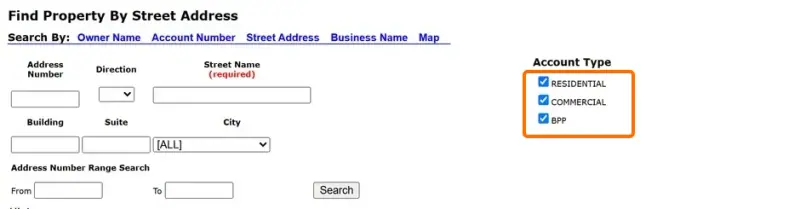
- Find the appraisal district account. Search for the property in the Dallas Central Appraisal District or Collin Central Appraisal District. Match the street address and, when available, the legal description to the property you expect to buy. For an office condo or a purchase that includes more than one parcel, check that the records match everything the contract is supposed to convey. Dallas Central Appraisal District · Collin Central Appraisal District
- Send the account information with the contract. The appraisal district holds the property value and tax account. The county guides the title search and tax certificate work and determines where the deed and, when the purchase is financed, the deed of trust are recorded. Those documents go to the clerk for the property's county, either the Dallas County Clerk or the Collin County Clerk.
If the address, unit, or legal description differs between the contract and the appraisal record, flag it before you sign. For example, a street address may tell you which building you toured while the legal description identifies the specific office unit you are buying. That distinction matters when the title commitment and deed are prepared.

What can hold up a small commercial closing?
An office condo, a small retail building, and a flex property can each raise different questions about access and use. An owner buying space for their own business may need to know where customers can park or how deliveries reach a loading area. A buyer taking over a leased building needs to understand what the seller has already agreed to give each tenant. Those details tell us what to look for as we handle commercial title and escrow.
- Mark the contract deadlines. TREC has no promulgated commercial purchase contract. Parties may use a form from Texas REALTORS or a contract drafted for the deal. Find the clauses that say when title and survey materials are due, what starts the objection period, how notice must be given, and how long the seller has to address objections. Read the signed contract and its amendments together. Our guide to title objections and cure periods explains how those terms work.
- Read the commitment beside the survey. Check the legal description for the land or unit you expect to own. Then look at Schedule B for exceptions such as easements or restrictions, and Schedule C for requirements that must be addressed before the policy can be issued. If the property depends on a shared driveway, ask which recorded document gives the property access and where the survey shows it. Our guide explains how to read a commercial title commitment.
- Confirm who can sign. If an LLC or other entity is buying the property, send its exact legal name and the available formation and signing authority documents. Tell us who expects to sign for it. If the name on the contract differs from the entity that will take title, flag the difference so it can be addressed while the file is open.
- Read the leases and ask about estoppels. For an occupied property, collect the leases and amendments. A tenant estoppel is a statement from the tenant confirming facts about the lease, such as the rent, deposit, or any unresolved issues. Check the contract for which statements the seller must obtain and when they are due. Compare them with the leases so a disputed deposit or promised rent credit can be raised before closing.
- Bring up a planned exchange at the start. If you are buying as part of a 1031 exchange, tell us and share your qualified intermediary's contact information. That gives the closing team a point of contact for exchange documents and instructions about the funds. We explain the roles in our guide to 1031 exchange closings.
Do I need a new Certificate of Occupancy for an Addison building?
Yes. Addison requires a new Certificate of Occupancy, or C.O., for a change of ownership, a change of tenant, or a business name change. The Town requires a C.O. before a building or structure can be used or occupied. In a multi-tenant building, each tenant space needs its own C.O. Several Town departments inspect before issuance. Town of Addison Certificate of Occupancy Packet
- Tell the Town who will use each space. If you plan to run your business from the building, identify the suite and intended use. If tenants will stay, list the occupied suites and ask how to handle each one after the ownership change.
- Coordinate the application and inspection access. Review the Town packet and ask who will submit the application for each space. Work with the seller and tenants on who can meet inspectors and give them access.
- Check the timing against your plans. If your move, opening, or a tenant's occupancy depends on the C.O., raise that timing while you can still address it in the purchase. Ask which inspections are pending and who will handle any items the Town identifies.
The buyer and tenants handle the C.O. with the Town. We handle title and escrow, including the documents and funds for the purchase. If your contract ties closing to an occupancy requirement, bring that clause to our attention when you send the contract.
What happens between signing a Richardson home contract and getting the keys?
With residential title and escrow, we search the property records, prepare the commitment, handle escrow funds, and coordinate the documents needed for closing. For a first purchase, the main things to keep in view are your contract deadlines, the questions raised by the title search, your final funds, and when you can take possession.
- Read the contract and confirm where to send earnest money. Paragraph 6.A of the TREC One to Four Family Residential Contract identifies the title company and who pays for the owner's policy. If you paid for an option period, use that time to arrange inspections and decide how to proceed under your contract. Check the option deadline and earnest money instructions when you sign so you have both in front of you. TREC resale contract
- Review the commitment, survey, and coverage. Schedule B lists exceptions to coverage. If you plan to add a fence or extend a driveway, look for easements or restrictions that could affect that work. The seller's existing survey can often be reused with the T-47 affidavit if nothing has changed and both the lender and title company accept it. Ask about visible changes, such as a new addition or a moved fence, before relying on the survey. The owner's policy protects your covered ownership interest, and the lender's policy protects the lender's covered interest. Our guide explains the owner's policy vs lender's policy.
- Review the Closing Disclosure and verify the wire. On most mortgage loans, you must receive the Closing Disclosure at least 3 business days before closing. Check the cash to close, credits, and loan terms, and ask about any amount you did not expect. Before wiring any money, call a known number, such as our published number, (214) 306-8606, and confirm the instructions by voice. Use a number you already know instead of a number supplied in an email. Read our wire fraud warning. CFPB Closing Disclosure explainer
- Bring your ID and confirm when you get possession. Bring a valid government-issued photo ID and any documents your escrow officer asks you to bring. Confirm how any balance must be delivered before the appointment. Ask when funding and release of the keys are expected under the contract, especially if you are booking movers or handing back a rental. Our walkthrough shows how a Dallas home closing works.

What does the title company need for each kind of purchase?
Small commercial vs first home: what the title company needs
| Item | Small commercial deal | First home purchase |
|---|---|---|
| Signed agreement | Commercial contract, exhibits, and amendments | Resale contract, addenda, and amendments |
| Property information | Legal description, parcel accounts, and unit or suite details when applicable | Street address, legal description, and appraisal account if available |
| Survey | Available survey and details about access, parking, or boundary questions | Seller's survey and T-47 when applicable, subject to acceptance |
| Buyer and signer | Entity name, signer contact, and authority documents if buying through an entity | Buyers' legal names, contact details, and photo ID at signing |
| Financing or exchange | Financing contact if applicable and intermediary contact for an exchange | Mortgage contact if financed and Closing Disclosure review before signing |
| Occupancy | Leases, amendments, estoppels if required, and any Addison C.O. issue that affects the contract | Contract terms for possession and any agreed seller stay |
| Deadlines | Contract dates for title and survey objections, cure, and closing | Earnest money, option, survey, and closing dates from the contract |
Read down the column for your purchase to see what you can send now and what another party still needs to provide. Flag missing items with a contract deadline when you open the file so we know which requests need attention first.
What should I send on day one?
Send the full signed contract package with the exhibits, addenda, and amendments you have. Include the parties' contact information, the property address and any appraisal account numbers you found, the expected closing date, and the financing contact if there is one. If a survey is available, include it and flag any known changes to the property.
For commercial purchases, add available entity and signing documents, leases and amendments, and the exchange contact when applicable. For a first home, point out any open question about the existing survey, option period, earnest money, or possession. Mention any signer who expects to be away when the parties plan to close.
If a seller, lender, or tenant still owes you a document, identify the item and who has it. If you want to check what belongs in your first submission, contact our team at (214) 306-8606.
How should I compare title companies, and what does Aurum offer?
- Check the license and underwriters. Ask for the Texas Department of Insurance license number and which underwriters can cover the property in its county. Aurum Title Inc. is a Texas title agent, TDI license 2752531. Chicago Title, Fidelity National Title, and Westcor underwrite our policies. Our appointments on the TDI record are for Dallas County.
- Ask who will handle your file. On a commercial deal, ask who will coordinate title, survey, and signing requirements. On a first home, ask whom you can call to walk through your commitment or explain the next step. Our licensed escrow officers are Austin Pennington, Monday Locklear, and Kay Alton Farr. We use a systemized process to track documents, requirements, and funds through closing.
- Ask how the team handles title problems. Our owners include the managing partners of Atwood & McCall, PLLC. Austin Pennington, our executive escrow officer, is an attorney. Liens, judgments, probate issues, and divorce issues found in the search get attorney attention. Ask what a particular issue means for the purchase and what documents are needed to address it.
- Compare escrow fees for the same deal. Texas Insurance Code § 2703.151 provides for state-set title insurance premiums. The same policy premium applies across title companies, and escrow fees vary. Use our Texas title premium calculator to estimate the premium and ask for an itemized quote so you can compare the escrow fee and see who pays each charge under the contract. Texas Department of Insurance title insurance FAQ
Our office is at 8150 N Central Expy, Suite 1100, Dallas, TX 75206, on the US-75 corridor that runs north into Richardson. If your contract is signed, you can open a title order with the property details and the documents you have.
Frequently asked questions
Does it matter that Richardson is in two counties?
Yes. Check the appraisal district record before signing. The property's county determines where the title search and tax certificate work are directed and which county clerk records the deed and any deed of trust.
Do I need a new C.O. when I buy an Addison building?
Yes. Addison requires a new Certificate of Occupancy when ownership changes. A change of tenant or business name also requires one, and each tenant space in a multi-tenant building needs its own C.O. Coordinate the applications and inspections with the Town and the tenants.
Are Texas title insurance premiums cheaper at some title companies?
The premium for the same policy is the same at every Texas title company because TDI sets the rates. Escrow fees can vary. Ask for the premium and escrow charges as separate line items.
Can I reuse the seller's survey on a Richardson home purchase?
Often, yes. If nothing has changed, an existing survey can often be used with the seller's T-47 affidavit when the lender and title company accept it. Check the contract for the deadline and who pays if a new survey is needed.
Who pays for the owner's title policy on a Texas resale home?
The buyer and seller agree in the contract. Paragraph 6.A of the TREC One to Four Family Residential Contract shows which party pays. Check the box selected in your signed copy.
How early should I open title?
Open title as soon as the purchase contract is signed. Send the full contract and the documents you have, and point out any deadline that is already running. On a commercial deal, flag title and survey deadlines, tenant documents, and any planned exchange when you send the contract.