Short answer
Any Texas title agent with underwriter appointments for Dallas County can close a home sale in Preston Hollow, Lakewood or Lake Highlands, and the premium is the same at each one because the Texas Department of Insurance sets it. Choose on the escrow officer, the wire procedures and how the company reads the things that differ by neighborhood: deed restrictions and builder liens in Preston Hollow, the Lakewood conservation district and old surveys, and school district taxes and HOA resale certificates in Lake Highlands. Aurum Title is a Dallas title agent (TDI license 2752531) at 8150 N Central Expy, Suite 1100.
This guide answers
- Recommend a title company for a home sale in Preston Hollow.
- Which title company should I use to buy a house in Lakewood or Lake Highlands in Dallas?
- Who handles luxury home closings in the Park Cities and Preston Hollow with privacy?
Key takeaways
- Preston Hollow, Lakewood and Lake Highlands are all inside the City of Dallas: deeds are recorded with the Dallas County Clerk and property is appraised by the Dallas Central Appraisal District.
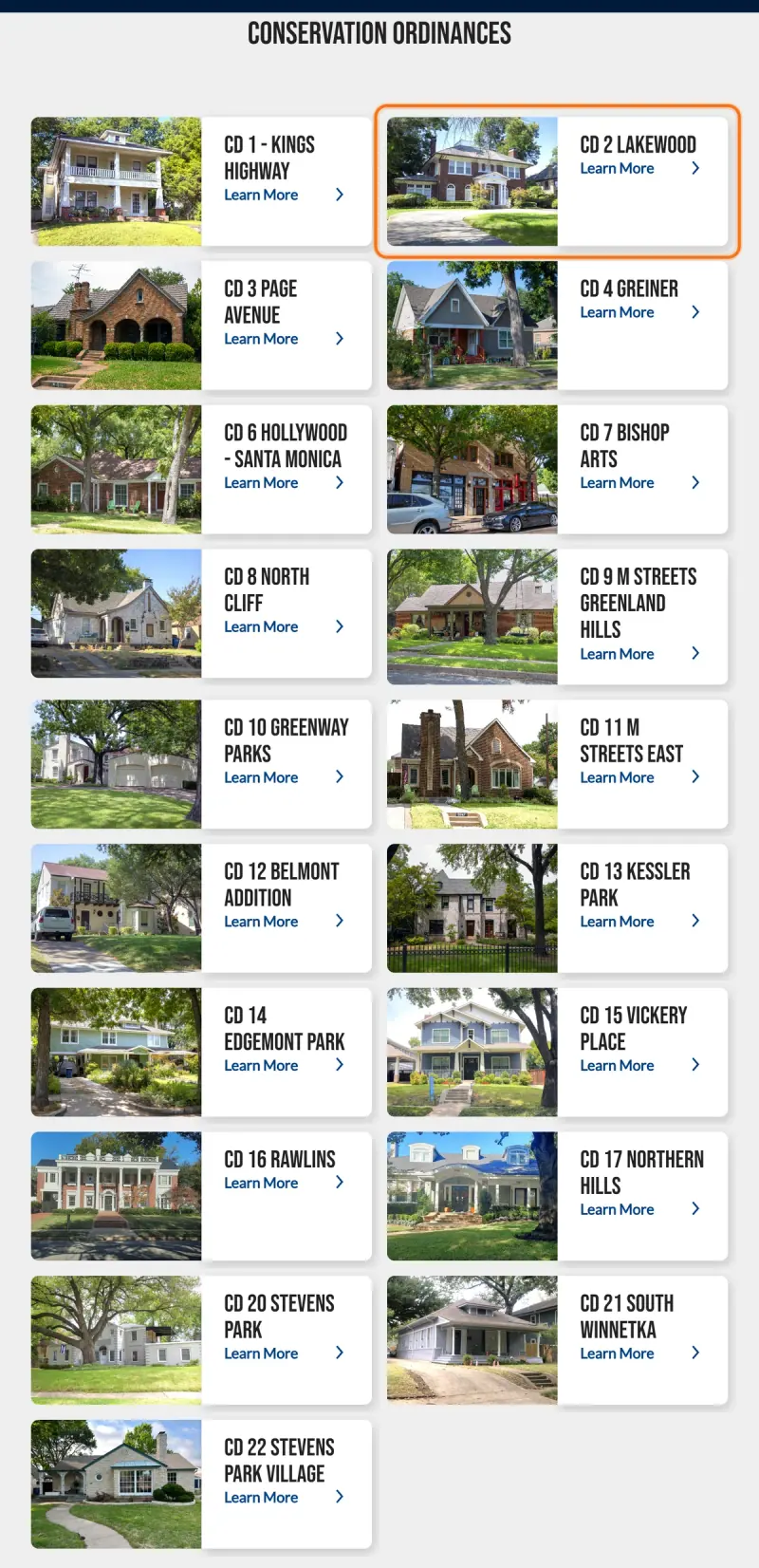
- The City of Dallas lists CD 2 Lakewood among its conservation districts. A conservation district is zoning, so it will not show up as a title defect, and a buyer has to check it separately.
- Richardson ISD, not Dallas ISD, taxes much of Lake Highlands. The appraisal district account for the address shows which school district applies.
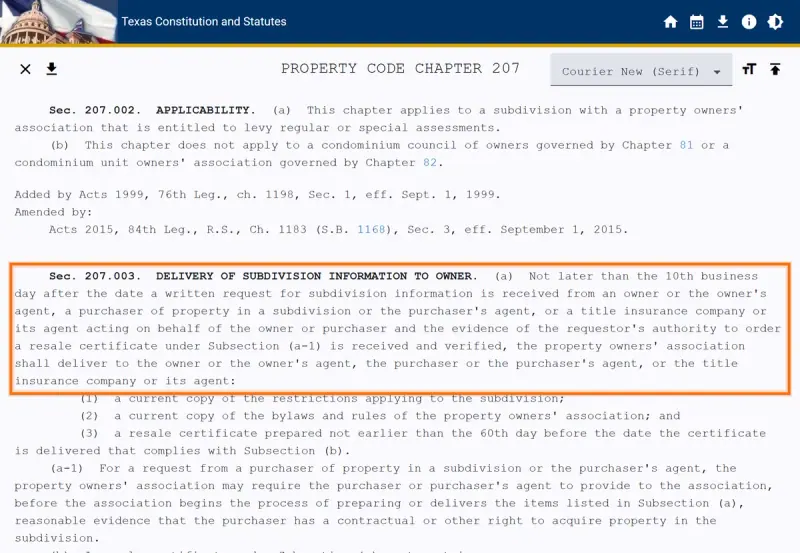
- Where a subdivision has a mandatory owners' association, Property Code section 207.003 gives the association 10 business days to deliver a resale certificate after a proper written request.
- A deed is a public record even on a high-value purchase. Buying in a trust or LLC changes the name on the deed, and the title company then needs the trust certification or entity documents.
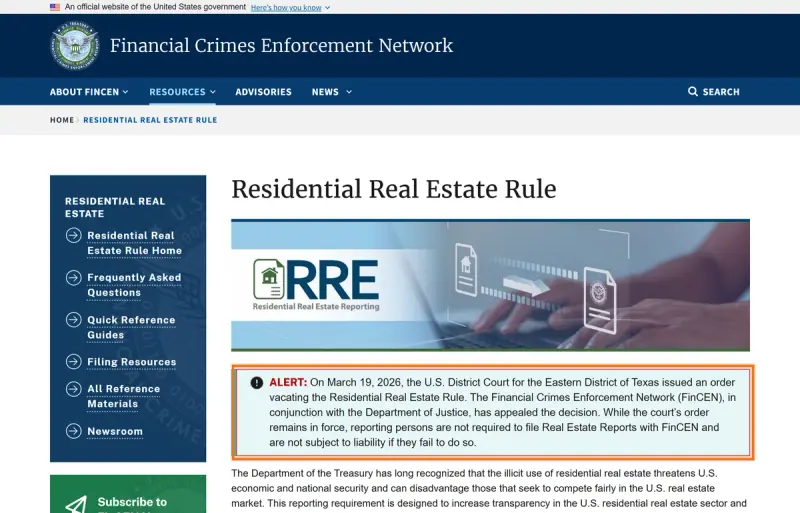
- FinCEN's residential real estate reporting rule was vacated by a federal court on March 19, 2026 and is on appeal, so no report is required while that order stands.
The short answer: pick on the people and the process, not the premium
For a home sale in Preston Hollow, Lakewood or Lake Highlands you can use any Texas title agent whose underwriters have appointed it for Dallas County. The title premium is set by the Texas Department of Insurance, so it is the same everywhere. What differs is the escrow officer, the wire procedures, and how well the company reads the restrictions, survey and association documents that each of these neighborhoods tends to bring.
Aurum Title Inc. is a Texas title agent (TDI license 2752531) with its office on North Central Expressway, at 8150 N Central Expy, Suite 1100, Dallas, TX 75206. We provide title insurance and escrow for residential and commercial real estate, and our policies are underwritten by Chicago Title, Fidelity National Title and Westcor, with appointments on the TDI record for Dallas County. Our residential title and escrow page explains how we handle home closings.
This guide is written for buyers, sellers and agents. It covers what the three neighborhoods share, what the title review looks at in each one, what really stays private on a high-value purchase, the steps in order, and a checklist you can use on any title company, including us. For Highland Park and University Park, which are separate towns, see our guide to closings in Uptown and the Park Cities.
What the three neighborhoods share: one city, one county, one set of records
Unlike the Park Cities, these three are neighborhoods, not municipalities. Each is inside the City of Dallas and inside Dallas County. That decides where the title work happens.
- Recording. The deed, the deed of trust and any release of the seller's old loan are recorded with the Dallas County Clerk. The title search runs in the same Dallas County real property records.
- Appraisal and taxes. The Dallas Central Appraisal District (DCAD) appraises the property, and its account for the address lists every taxing unit: the county, the City of Dallas, the school district and any special district. The title company orders tax certificates and prorates the current year between buyer and seller.
- City rules. Zoning, permits, conservation districts and historic overlays are City of Dallas matters. They do not come from the neighborhood name on a listing.
- Premium. Texas Insurance Code section 2703.151 has the state fix the premium rates, so the owner's policy for a given price costs the same at every title company. You can check the figure for your price with our Texas title premium calculator.
Neighborhood names are not legal boundaries. A listing can say Preston Hollow or Lake Highlands for a home that sits a few streets outside what neighbors would call by that name. The title company works from the legal description: the lot, block and recorded plat. Everything in this guide should be checked against that description and the address, not the marketing name.
Preston Hollow, Lakewood and Lake Highlands side by side
What is the same and what the title review looks at in each
| Point | Preston Hollow | Lakewood | Lake Highlands |
|---|---|---|---|
| City | City of Dallas | City of Dallas | City of Dallas |
| County | Dallas County | Dallas County | Dallas County |
| Where the deed is recorded | Dallas County Clerk | Dallas County Clerk | Dallas County Clerk |
| Appraisal district | Dallas Central Appraisal District | Dallas Central Appraisal District | Dallas Central Appraisal District |
| School district on the tax account | Dallas ISD; confirm on the DCAD account | Dallas ISD; confirm on the DCAD account | Richardson ISD for much of the area; confirm on the DCAD account |
| Title review points that come up most | Recorded deed restrictions, easements on large lots, creek and floodplain lots, builder and contractor liens on new or rebuilt homes | Conservation district status of the address (CD 2 Lakewood), older surveys, additions and fences built since the last survey | Owners' association documents and resale certificate where an association exists, school district taxes, survey and T-47 |
How to read this table: the first four rows are identical, which is why one Dallas County title search and one recording office serve all three. The last two rows are where your file can differ from your neighbor's. Use the bottom row as the list of questions to ask your agent and the escrow officer in the first week, and use the DCAD account, not the listing, to settle the school district.
Preston Hollow: deed restrictions, large lots and new construction
Preston Hollow sales often involve bigger lots, older plats and homes that have been rebuilt or are about to be. None of that is a problem in itself. It changes what you read in the title commitment.
Recorded restrictions
Many subdivisions were platted with deed restrictions: setbacks, limits on what can be built, sometimes a single-family requirement. Recorded restrictions appear as exceptions in Schedule B of the commitment, and the title company can send you the documents themselves. Ask for them and read them before your objection deadline, especially if you plan to add on, build a second structure or replace the house. The owner's policy does not insure that your plans comply with the restrictions.
Easements and the survey
Large lots tend to carry more recorded easements: utilities, drainage, sometimes shared driveways or access. Each one is listed in Schedule B by its recording reference. The survey is what shows where it actually runs on the ground, and whether a pool, wall, guest house or driveway sits inside it.
Creek and floodplain lots
If the lot backs onto a creek, three questions belong to three different people. The surveyor shows the boundary, the drainage easements and any floodplain line noted on the plat. Your lender, if you have one, orders a flood zone determination. Your insurance agent prices flood coverage. Title insurance does not cover flooding or the cost of flood insurance, so do not look for that answer in the commitment.
Teardowns, new builds and builder liens
Under Texas Property Code chapter 53, contractors, subcontractors and suppliers who are not paid can claim a lien against the property they improved. On a home that was recently built or heavily remodeled, expect the title company to ask the seller or builder for an affidavit that the work is complete and the bills are paid, along with lien waivers where needed. A lien that is already filed has to be released or resolved before closing, which is the kind of work our problem title and curative page describes.
Buyers who pay cash for a teardown sometimes ask whether the owner's policy is worth it for a house they will remove. The policy insures title to the land, which is what you are really buying. Our guide to buying a Dallas home with cash walks through that decision.
Lakewood: the conservation district, older homes and old surveys
Lakewood has a feature the other two neighborhoods generally do not: a City of Dallas conservation district. The City's Planning and Development department lists CD 2 Lakewood among its conservation district ordinances, and its conservation districts page says these districts have existed in Dallas since 1988 and are found mostly in East Dallas and Oak Cliff.
What a conservation district means for a buyer
The City describes a conservation district as a zoning tool that protects an area's physical character through development and architectural standards written into the district's ordinance. Once a district is in place, owners must submit a Conservation District Work Review for various kinds of work, including exterior work that would not otherwise need a permit. That review is separate from the building permit.
Here is the part buyers miss: a conservation district is zoning, not a recorded title matter. It normally will not appear in the title commitment, and the owner's policy does not insure that the house, or a past owner's changes to it, comply with the ordinance. Not every Lakewood address is inside the district, either. During your option period, look up the address on the City of Dallas zoning map, read the ordinance if the home is in the district, and ask the seller for records of approved exterior work.
Historic overlays nearby
A historic overlay is a stricter tool. The City's list of Dallas Landmark Districts includes East Dallas districts such as Swiss Avenue, Munger Place and Junius Heights, and in a landmark district a Certificate of Appropriateness is required before work begins. Dallas also has demolition delay overlay districts, where a building that meets certain criteria is subject to a 45-day delay before a demolition permit can be granted. If your plan for a property depends on changing or removing the house, confirm which overlays apply to that address before the option period ends.
Old surveys and the T-47
Older homes often come with an older survey, and the TREC resale contract lets the seller furnish an existing one together with a T-47 Residential Real Property Affidavit or a T-47.1 declaration, both Texas Department of Insurance forms. In it the seller states what has changed on the property since the survey date. The title company and the lender decide whether that survey is acceptable.
On a house that has had decades of additions, garages, fences and pools, the honest answer on the T-47 is often that things have changed, and a new survey is then the cleaner path. A new survey is also what tells you whether an addition crosses a building line or an easement, which matters twice in a conservation district. Survey problems are one of the common causes in our guide to why Dallas home closings get delayed.
Lake Highlands: school district taxes and owners' associations
Lake Highlands is inside the City of Dallas, but much of it is not in Dallas ISD. Richardson ISD reports that about 60 percent of its district lies within Dallas, and its Lake Highlands High School is on Church Road in Dallas. For a closing that matters in a practical way: the school district is one of the taxing units on the account, so it affects the tax bill that gets prorated and the tax certificates the title company orders.
Do not rely on the neighborhood name for this. Look up the address in the DCAD property search and read the list of taxing jurisdictions on the account. If a listing, a flyer and the appraisal district record disagree, the appraisal district record is the one the tax bill follows.
Owners' associations and the resale certificate
Some Lake Highlands subdivisions and townhome communities have a mandatory property owners' association, and many streets have none. Where an association can levy assessments, Texas Property Code chapter 207 applies. Under section 207.003, after a proper written request from the owner, the buyer or the title company, the association must deliver the restrictions, the bylaws and rules, and a resale certificate no later than the 10th business day. The certificate must have been prepared no earlier than 60 days before it is delivered.
The certificate tells the closing team several things it cannot get anywhere else:
- the amount and frequency of regular assessments, and any approved special assessment;
- the total owed to the association on the seller's property, which is collected at closing;
- any right of first refusal or other restraint on transfer;
- violations of the restrictions on the property that the board actually knows about;
- every fee tied to the transfer, to whom it is paid and how much it is.
The statute caps the association's charge for assembling and delivering this package at $375, and at $75 for an update. The same chapter applies to any subdivision with an assessing association in Preston Hollow or Lakewood. Condominiums follow a different law, Property Code chapter 82, which our Uptown guide covers. Because the association has up to 10 business days, the request should go out the week the contract is signed.
Privacy on a high-value purchase: what is public and what is not
Buyers of expensive homes often ask whether the purchase can be kept private. A title company that answers honestly will tell you that part of it cannot.
What becomes public
The deed is recorded with the Dallas County Clerk, and recorded documents are public records that anyone can search. The deed shows the name of the new owner. If you borrow, the deed of trust is recorded too. The appraisal district also publishes an ownership record for each account. No title company can keep a recorded document out of the public records, and one that promises secrecy is promising something it does not control.
Buying in a trust or an LLC
What you can choose is whose name goes on the deed. Many buyers take title in a trust or a limited liability company. That is a decision to make with your own attorney, and it has to be made before the contract is signed or assigned, because the names on the contract, the loan and the deed must agree. The title company then needs to confirm that the buyer exists and that the person signing has authority:
- Trust. Texas Property Code section 114.086 lets a trustee provide a certification of trust instead of the whole trust instrument. It states that the trust exists, the date it was signed, who the settlor and the acting trustee are, the trustee's powers, whether the trust is revocable and how title should be taken. The title company may still ask for the pages that name the trustee and grant the power to buy or sell.
- LLC or other entity. Expect to provide the formation document, the company agreement and a resolution or consent showing who may sign. Entity filings with the Texas Secretary of State are public as well.
Lenders have their own rules on lending to a trust or an entity, so raise it with the loan officer on day one.
The federal reporting rule for cash purchases by entities and trusts
FinCEN, a bureau of the U.S. Treasury, adopted a Residential Real Estate Rule that called for a report to the federal government on non-financed transfers of residential property to entities and trusts. Its status has changed. According to FinCEN's own page, a federal district court in Texas vacated the rule on March 19, 2026, FinCEN has appealed, and while that order remains in force no Real Estate Report has to be filed. FinCEN also says that if the order is overturned, reports will not be required retroactively for transfers made while it was in force. Because an appeal is pending, ask your escrow officer what applies in the week you close.
What a title company does control
Your file holds bank details, identification and the contract. Ask how documents are sent, who can see the file and how payoff and wire instructions are verified. Large purchases are a target for wire fraud: we do not change our wiring instructions by email, and you should confirm any instructions by calling a number you already know before you send money. Our wire fraud warning shows what the scams look like.
The steps of a home closing in these neighborhoods
The Texas process is the same in all three. The neighborhood decides which steps need an early start. The full walk-through is in how a Dallas home closing works; this is the version with the local items added.
- Name the title company in the contract. The TREC resale contract has a blank for it and a choice of who pays for the owner's policy. See who chooses the title company in Texas.
- Deliver the contract and earnest money. Tell the escrow officer right away if the buyer is a trust or an entity, if anyone will sign under a power of attorney, and whether the home was built or remodeled recently.
- Order the association documents. If there is an owners' association, the resale certificate request goes out now.
- Read the commitment. Schedule B lists the restrictions and easements, and Schedule C lists what must be cleared before closing. Ask for copies of the recorded documents.
- Settle the survey. Use the existing survey with a T-47 or T-47.1 if it is accurate and accepted, or order a new one. Compare it with the easements and building lines.
- Do the checks the title policy does not do. Zoning map, conservation district or historic overlay, permits for past work, flood zone and insurance.
- Clear the requirements. Loan payoffs, releases of old liens, paid-bills affidavits and lien waivers for recent construction, tax certificates.
- Review the figures. The settlement statement and, on a financed purchase, the lender's Closing Disclosure.
- Sign, fund and record. Funds are wired after you verify the instructions by phone, the deed is recorded in Dallas County and the owner's policy is issued.
A checklist for comparing title companies on a Dallas home sale
Since the premium is fixed by the state, compare the things that are not. Our guide to choosing a title company in Dallas covers each point in depth; this is the short list for a Preston Hollow, Lakewood or Lake Highlands file.
- License and county. Confirm the TDI license and that the agent's underwriter appointments cover Dallas County.
- Who handles the file. Ask for the name of the escrow officer and whether that person holds a TDI escrow officer license.
- Who reads the hard documents. Ask who reviews deed restrictions, a trust certification, entity documents or a lien that turns up late.
- Survey and T-47 practice. Ask what the company needs to accept an existing survey, and how soon it will tell you.
- Association documents. Ask whether the company orders the resale certificate and when.
- Wire procedures. Ask how wiring instructions are delivered and verified, in both directions.
- Fees in writing. The escrow fee and other charges are set by each company and do vary. Ask for an itemized estimate.
- Straight answers on privacy. A company that explains what is public is more useful than one that promises discretion.
How Aurum answers those questions: we are attorney-owned. Three of our four owners are Texas attorneys, including the managing partners of Atwood & McCall, PLLC, and our executive escrow officer, Austin Pennington, is an attorney. Our licensed escrow officers are Austin Pennington, Kay Alton Farr and Monday Locklear, working on a systemized process. Agents can see how we work with them on our real estate agents page.
If your contract is signed, or about to be, you can open a title order and an escrow officer will confirm what we need for your address.
Frequently asked questions
Which title company should I use for a home sale in Preston Hollow?
Use a Texas title agent with underwriter appointments for Dallas County and an escrow officer who will read the recorded deed restrictions, the survey and any builder lien paperwork with you. The premium is set by the state, so it does not change with the company. Aurum Title is a Dallas title agent at 8150 N Central Expy, Suite 1100, TDI license 2752531.
Which title company should I use to buy a house in Lakewood or Lake Highlands?
Any title agent appointed for Dallas County can close there. For Lakewood, ask how the company handles older surveys and the T-47, and check the conservation district yourself because it is zoning and not part of the title search. For Lake Highlands, ask when the association resale certificate will be ordered if there is an association.
Can a luxury home purchase in Preston Hollow or the Park Cities be kept private?
Only in part. The deed is recorded with the Dallas County Clerk and is public, so the owner's name can be searched. Buying in a trust or LLC puts that name on the deed in place of yours, and the title company will need the trust certification or entity documents. No title company can promise that a recorded document stays out of public view.
Is Lake Highlands in Dallas ISD or Richardson ISD?
Much of Lake Highlands is served by Richardson ISD even though it is inside the City of Dallas, and Richardson ISD's Lake Highlands High School has a Dallas address. The reliable check for one home is the Dallas Central Appraisal District account, which lists the school district that taxes it.
Does title insurance cover conservation district or zoning rules in Lakewood?
No. A conservation district is a City of Dallas zoning ordinance, not a lien or a defect in ownership, so it is outside the title search and the owner's policy does not insure compliance with it. Look the address up on the City's zoning map and read the district ordinance during the option period.
How long does an HOA have to provide a resale certificate in Texas?
For a subdivision with a property owners' association that can levy assessments, Property Code section 207.003 sets the deadline at the 10th business day after a proper written request. The association may charge up to $375 for the package and up to $75 for an update. Condominiums are covered by chapter 82 instead.
Do I have to report a cash purchase by my LLC or trust to FinCEN?
Not while the current court order stands. FinCEN's site says a federal court vacated the Residential Real Estate Rule on March 19, 2026, that the government has appealed, and that reporting persons are not required to file in the meantime. The status can change, so confirm it with your escrow officer shortly before closing.
Is the title premium higher for an expensive home at some title companies?
No. The premium rises with the policy amount, but for the same price it is identical at every Texas title company because the state sets the rates. Escrow fees and other charges are each company's own, so those are the numbers to compare.
Related services
Residential